Introduction to Human Resources and Emiratisation
The UAE has long emphasized the importance of local talent in driving its economic growth. Human resources and Emiratisation are central to this vision, ensuring that Emirati citizens are actively involved in the workforce, particularly in private and government sectors. By aligning recruitment strategies with Emiratisation objectives, companies not only comply with regulations but also enhance workforce diversity and productivity.
The Ministry of Human Resources and Emiratisation (MOHRE) oversees the program, setting policies, monitoring compliance, and offering support for companies to integrate UAE nationals effectively. Understanding these rules and programs is essential for HR managers and business leaders aiming to create sustainable talent pipelines. Learn more on AQJobs Emiratisation Resources
Embracing human resources and Emiratisation is no longer just a legal requirement—it’s a strategic advantage for organizations looking to build inclusive, compliant, and future-ready teams.
What is Emiratisation?
Emiratisation is a strategic national initiative designed to increase the participation of UAE nationals in the workforce across both public and private sectors. The program encourages organizations to actively hire, train, develop, and retain Emirati talent in line with the country’s long-term economic vision. By prioritizing local employment, Emiratisation aims to reduce reliance on expatriate labor while creating sustainable career opportunities for UAE citizens. It also focuses on equipping Emiratis with industry-relevant skills, leadership capabilities, and professional growth pathways, ensuring they can contribute meaningfully to organizational performance and national development goals.
- Reducing dependence on expatriate labor
- Promoting professional development for UAE nationals
- Strengthening national identity in the workplace
The Emiratisation program focuses on equipping UAE nationals with the skills needed to succeed in diverse sectors, from banking to technology. By participating in this program, companies help foster a more balanced labor market while contributing to national development.
In essence, emiratisation in the private sector ensures that local talent is not just employed but also empowered to assume leadership roles, creating a sustainable and skilled workforce for the future.
Human Resources and Emiratisation Laws & Rules
Understanding the legal framework is critical for businesses operating in the UAE. Emiratisation law governs the hiring, employment, and retention of UAE nationals, ensuring that organizations contribute to national workforce development goals. At the same time, specific emiratisation rules outline compliance requirements such as sector-based quotas, reporting obligations, and penalties for non-compliance. These regulations are designed to create fair employment opportunities for Emiratis while maintaining labor market balance. Companies that fully understand and implement these legal guidelines not only avoid financial penalties but also strengthen their reputation as responsible and compliant employers in the UAE market.
Key Legal Requirements
- Private sector companies must meet a defined percentage of Emirati employees based on their industry.
- Government entities are required to have higher quotas to lead by example.
- MOHRE monitors compliance and enforces penalties for non-adherence.
Compliance Practices
Successful companies adopt several strategies to comply with human resources and Emiratisation laws:
- Implementing Emirati-focused recruitment campaigns
- Offering training programs aligned with MOHRE guidelines
- Maintaining transparent reporting of Emirati hires and promotions
For example, financial institutions often collaborate with MOHRE-approved internship programs to attract fresh Emirati talent, ensuring both compliance and skill development.
For detailed guidance, MOHRE provides official resources here: MOHRE Official Portal.
Emiratisation Programs and Initiatives
The UAE government supports a variety of emiratisation programs to promote employment for nationals. These programs include training, mentorship, internships, and specialized employment initiatives. Explore AQJobs Emiratisation Programs for guidance on program participation.”
Government-Backed Programs
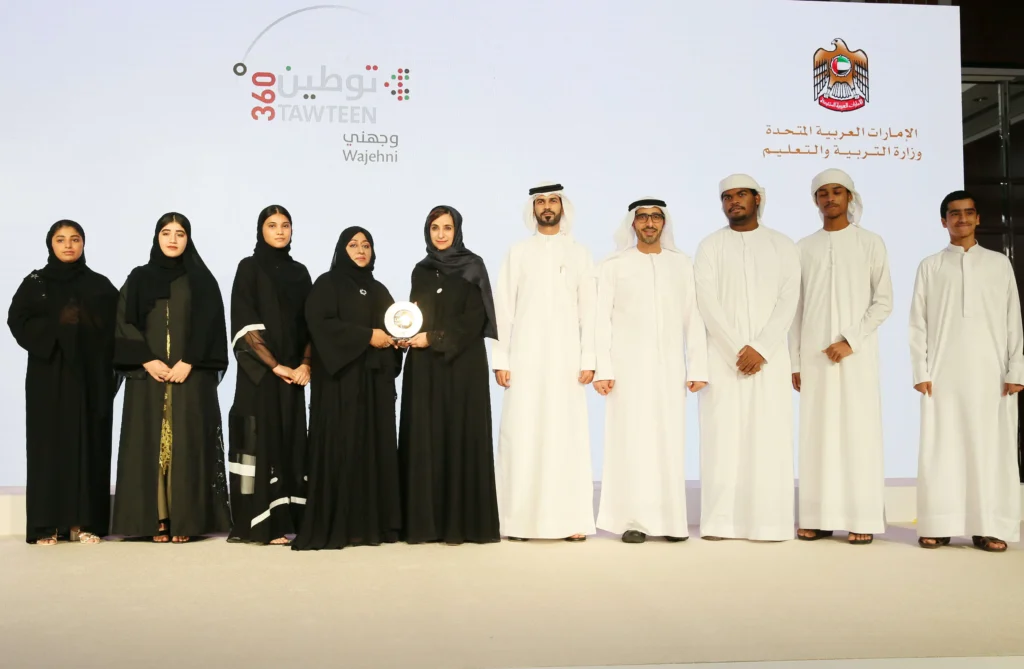
- Tawteen Program: Focuses on increasing Emirati employment in critical sectors
- Hatta Internship Program: Provides practical experience to fresh graduates
- National Employment Portal: Connects employers with qualified Emirati candidates
Benefits for Organizations
Companies participating in these programs gain access to:
- Skilled UAE nationals ready for immediate employment
- Subsidies and incentives from government bodies
- Networking opportunities with other compliant organizations
Businesses in sectors such as IT, hospitality, and finance have successfully integrated these initiatives, demonstrating how emiratisation in private sector environments can drive growth while fulfilling national workforce goals.
For insights on program participation: Tawteen Program Overview.

Benefits of Human Resources and Emiratisation for Companies
Adopting human resources and Emiratisation practices offers multiple strategic advantages for businesses operating in the UAE. Beyond regulatory compliance, these practices help organizations build a stable, locally integrated workforce aligned with national economic priorities. Companies that proactively implement Emiratisation policies often experience improved brand reputation, stronger government relationships, and enhanced employee engagement. Hiring and developing Emirati talent also brings valuable local market insight, cultural understanding, and long-term workforce sustainability. When integrated into a company’s HR strategy, human resources and Emiratisation initiatives become powerful tools for growth, competitiveness, and organizational resilience in an evolving labor market.
Workforce Diversity and Local Talent Integration
Hiring UAE nationals brings fresh perspectives, cultural alignment, and local market understanding. Organizations experience higher employee engagement and retention by investing in ministry of human resources & Emiratisation-compliant hiring practices.
Regulatory Compliance
Complying with emiratisation law safeguards companies from legal penalties and strengthens relationships with government entities. Proactive adherence demonstrates corporate responsibility and social commitment.
Access to Government Support and Incentives
MOHRE offers incentives, including financial support and training grants, to companies actively implementing emiratisation programs. These benefits encourage organizations to develop Emirati talent pipelines effectively.
By aligning HR strategies with Emiratisation rules, companies improve operational efficiency, reputation, and long-term sustainability. Read more tips on AQJobs HR & Emiratisation Guidance.
Challenges in Implementing Emiratisation
Despite the clear benefits, companies often face practical and operational challenges when adopting human resources and Emiratisation initiatives. One of the main difficulties is identifying qualified UAE nationals with specialized skills required in competitive industries such as technology, engineering, and finance. Some organizations also struggle with restructuring existing HR policies to align with Emiratisation targets and compliance standards. In addition, concerns about higher employment costs, retention rates, and internal resistance to change can slow implementation. Without proper planning, training programs, and leadership commitment, businesses may find it challenging to fully integrate Emiratisation into their long-term workforce s
- Finding Qualified UAE Nationals: Skills gaps can make recruitment difficult, especially in specialized industries.
- Organizational Resistance: Management may hesitate to modify hiring policies or invest in training programs.
- Retention Issues: Some Emirati employees prefer public sector roles due to perceived job security.
Strategies to Overcome Challenges
- Collaborate with universities and vocational training centers to source talent
- Offer competitive salaries, benefits, and career development opportunities
- Implement internal mentoring and leadership programs
Companies that proactively address these hurdles can create a motivated and compliant workforce aligned with UAE labor objectives.
How Companies Can Comply with MOHRE Requirements
Compliance is essential to fully benefit from human resources and Emiratisation initiatives while avoiding financial penalties, restrictions, or reputational risks. Organizations that proactively align their HR strategies with MOHRE requirements position themselves as responsible and forward-thinking employers. Proper compliance not only ensures adherence to emiratisation law and regulatory quotas but also strengthens relationships with government authorities and stakeholders. By implementing structured workforce planning, accurate reporting systems, and targeted Emirati recruitment strategies, companies can turn compliance into a competitive advantage rather than viewing it as a regulatory burden. Businesses can follow these strategic steps to ensure smooth and effective implementation:
Step-by-Step Compliance Guide
- Assess Current Workforce: Identify Emirati representation in various departments.
- Set Hiring Goals: Align with MOHRE quotas based on sector and company size.
- Develop HR Policies: Include Emirati-focused recruitment, training, and retention strategies.
- Implement Internal Training Programs: Upskill UAE nationals for leadership and specialized roles.
- Monitor and Report: Regularly submit workforce data to MOHRE, ensuring accurate compliance reporting.
Adopting these practices aligns HR operations with emiratisation rules and demonstrates commitment to national workforce development.
For practical guidance, refer to: MOHRE Employer Guidelines.
Future of Human Resources and Emiratisation in UAE
The landscape of human resources and Emiratisation is evolving rapidly as the UAE strengthens its focus on workforce localization and sustainable economic growth. Regulatory updates, digital transformation, and private sector engagement are reshaping how companies approach Emirati hiring and talent development. Organizations are no longer treating Emiratisation as a compliance requirement alone but as a strategic workforce initiative. Increased collaboration between government entities and businesses is also accelerating progress. As expectations rise, companies must stay informed, agile, and technology-driven to remain competitive while aligning with national employment goals. Key trends shaping this transformation include:
- Workforce Localization: Private sector companies increasingly prioritize Emirati recruitment.
- Digital HR Tools: Platforms for monitoring compliance, managing employee records, and tracking Emiratisation progress are gaining traction.
- Enhanced Private Sector Participation: Incentives and government support encourage greater private sector engagement in Emiratisation programs.
The future promises a digitally enabled, highly skilled Emirati workforce integrated seamlessly across all industries, helping the UAE achieve its long-term economic goals.
Conclusion
Human resources and Emiratisation are more than regulatory obligations—they are strategic imperatives for companies operating in the UAE. By understanding emiratisation laws, participating in government-backed programs, and integrating Emirati talent into the workforce, organizations can achieve compliance, access incentives, and improve overall performance.
Companies that proactively adopt these strategies position themselves as socially responsible, future-ready, and attractive employers for both local and international talent. Start reviewing your human resources and Emiratisation policies today to secure your competitive advantage and contribute to the UAE’s workforce development vision.
For HR support and tools to implement Emiratisation effectively, explore AQJobs Emiratisation Resources.
FAQ Section
Q1: What is the purpose of Emiratisation in the UAE?
Emiratisation aims to increase the participation of UAE nationals in the workforce by creating sustainable employment opportunities across public and private sectors. It seeks to reduce reliance on expatriate labor while promoting professional development, leadership growth, and long-term career advancement for Emirati citizens in diverse industries.
Q2: Which organizations must comply with Emiratisation rules?
Both private and public sector companies must meet specific Emirati employment quotas set by MOHRE, based on company size and industry classification. These targets are designed to ensure fair participation of UAE nationals in the workforce while promoting sustainable national employment growth.
Q3: How can companies participate in Emiratisation programs?
Companies can participate in government-backed initiatives such as structured training programs, paid internships, graduate placement schemes, and official recruitment platforms to attract and develop Emirati talent. These initiatives help organizations meet Emiratisation targets while building a skilled, future-ready local workforce aligned with national employment goals.
Q4: What are the main benefits of implementing Emiratisation policies?
Benefits include full regulatory compliance with Emiratisation requirements, improved workforce diversity through local talent integration, access to government incentives and support programs, and the development of a sustainable, long-term talent pipeline that strengthens organizational stability and competitiveness in the UAE market.
Q5: What challenges do companies face in Emiratisation implementation?
Challenges in implementing Emiratisation include sourcing qualified UAE nationals for specialized roles, overcoming organizational resistance to policy changes, and addressing retention issues due to preferences for public sector employment. Effective strategies such as mentorship programs, professional development opportunities, and competitive compensation and benefits can help organizations successfully overcome these obstacle.